
History of indoor skydiving in Switzerland
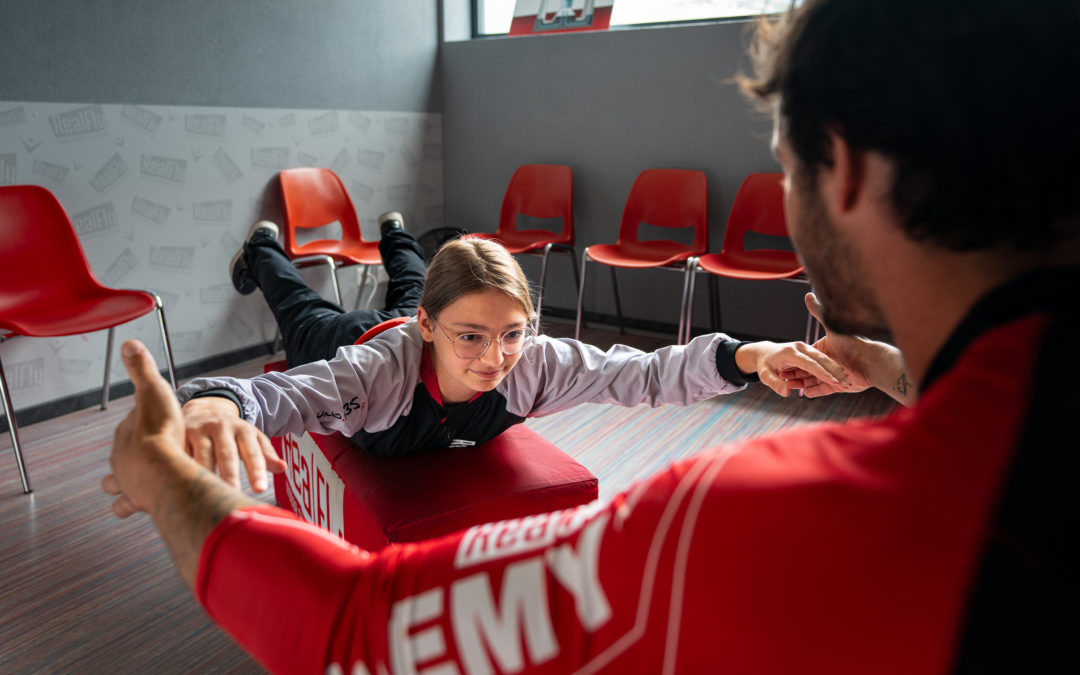
Indoor skydiving in Switzerland: RealFly, the country's 1st simulator, opened in Sion in 2014. Discover our 14m tunnel and come experience true free-fall today.
History of Skydiving in Switzerland
The practice of skydiving in Switzerland is not new. This human dream became a reality at the beginning of the 20th century with the first parachute jumps carried out by soldiers. Since then, skydiving has experienced considerable development in Switzerland, both militarily and civilian. This is what we will explore in this article!

The origins of Freefall
The fascination with freefall dates back to antiquity. As early as ancient Greece, the idea of flying by launching oneself from a height with artificial wings had germinated, thanks to the reflections of the philosopher Democritus in 400 BC.
In the Middle Ages, various attempts at free flight took place, including the audacious jump of the English monk Eilmer of Malmesbury in 977, using wooden and leather wings. Although his jump resulted in injuries, he survived this adventure.
In the 16th century, Leonardo da Vinci sketched plans for a flying machine, thus inspiring future pioneers of freefall.
The modern era of freefall began in the 18th century with the invention of hot air balloons, which allowed individuals to explore heights and initiate the first controlled freefall experiments.
In 1783, the Frenchman Jean-Pierre Blanchard made a parachute jump from a hot air balloon, surviving a fall that lasted approximately 10 seconds.
During the 19th century, other pioneers launched themselves from hot air balloons, such as André-Jacques Garnerin in 1826, who made a parachute jump from a great height, remaining in freefall for approximately 5 minutes.
Switzerland, too, has played a significant role in the history of freefall, with a long tradition dating back to the beginning of the 20th century. To find out more, continue reading...
The pioneers of Swiss freefall
The first Swiss parachutists were soldiers. In 1911, Lieutenant Arthur Speck made the first parachute jump in Switzerland, from a hot air balloon at an altitude of 200 meters.
In the following years, other Swiss parachutists achieved remarkable feats. In 1923, Lieutenant Hans Hauswirth made the first parachute jump from an airplane in Switzerland. In 1934, Lieutenant Ernst Baumgartner set the world record for parachute jumping height, by jumping from a hot air balloon at an altitude of 14,800 meters.
Freefall in Switzerland after the Second World War
After the Second World War, freefall began to develop in Switzerland as a leisure activity. In 1947, the first Swiss parachuting club was created in Geneva.
In the following years, freefall gained popularity in Switzerland. In 1967, the Swiss Parachuting Federation was founded.
Freefall in Switzerland today
Freefall is today a popular activity in Switzerland. The country has many parachuting clubs and parachuting centers.
We invite you to discover the beginning of sport parachuting in Switzerland, in Sion.
Switzerland is also a prime location for indoor freefall. In 2014, the first indoor freefall center in Switzerland opened its doors in Sion, in the canton of Valais → RealFly 😍.
Conclusion
Switzerland has a long and rich history of freefall. The country has played a leading role in the development of this activity, both militarily and civilian. Today, Switzerland remains a popular destination for parachutists from all over the world.
If you dream of experiencing this unique experience safely, do not hesitate to try indoor freefall at RealFly, the first vertical wind tunnel in Switzerland, located in Sion, Valais.
/ Read next
All articles →
De la Passion au Métier : Comment Vivre de la Chute Libre ? | Guide Pro Skydiving
Découvrez comment transformer votre passion pour la chute libre en une carrière d'élite. De l'instruction en soufflerie indoor au coaching pro sur dropzone, ce guide explore les salaires, certifications et statistiques d'un secteur en plein essor. Réalisez votre rêve chez RealFly Sion.
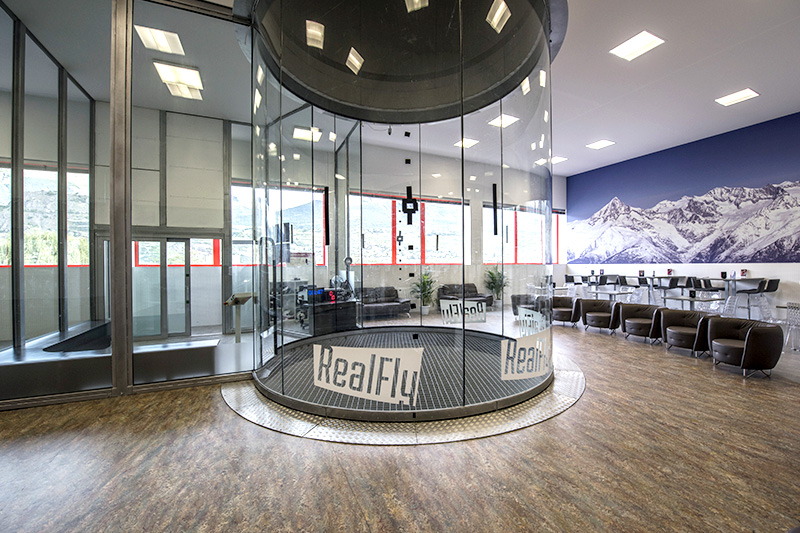
First indoor flight: tips from our coaches
Your first indoor flight at RealFly Sion: briefing, gear, what to expect and tips to nail your 2 minutes of free-fall. Get ready and book your session today!
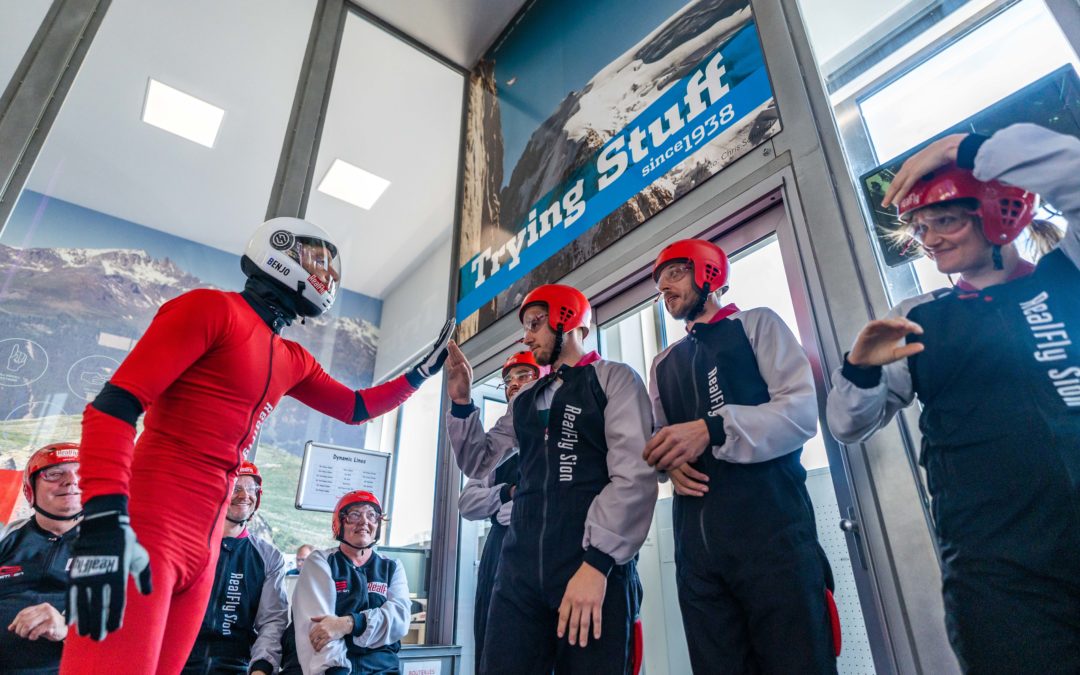
History of indoor skydiving: 50 years of innovation
The history of indoor skydiving: from NASA tests to modern tunnels like RealFly Sion. Discover 50 years of innovation and try free-fall flying yourself today.