
History of indoor skydiving: 50 years of innovation
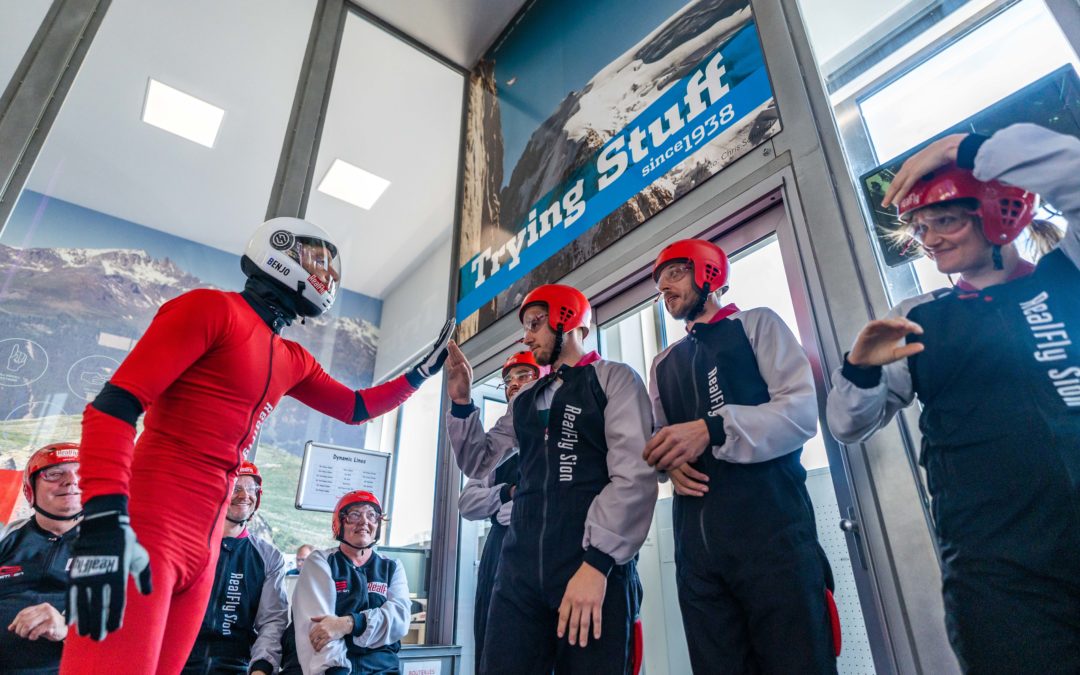
The history of indoor skydiving: from NASA tests to modern tunnels like RealFly Sion. Discover 50 years of innovation and try free-fall flying yourself today.
The History of Indoor Skydiving
Welcome to the continuation of our exploration into the fascinating history of freefall. In our previous article, we delved into the origins of freefall in Switzerland, from the first daring attempts to the first parachute jumps from hot air balloons. If you haven't read it yet, we invite you to discover that article.
Today, we will focus on indoor skydiving, an exciting facet of this discipline. This modern variation of freefall has its own historical roots and has developed into a unique experience. We will explore the specifics of indoor practice as well as the technical and material aspects that underpin it.

The Origins of Indoor Skydiving
The practice of indoor skydiving emerged thanks to major technological advances in the field of aerodynamics and vertical wind tunnels. Vertical wind tunnels are facilities that generate a powerful upward airflow, allowing participants to float weightlessly. The idea of creating a controlled indoor environment to simulate the sensation of freefall appeared relatively recently.
The First Vertical Wind Tunnels
The first vertical wind tunnel was created in the 1960s, paving the way for indoor skydiving as we know it today. These early wind tunnels were primarily used for aeronautical research and military purposes.
However, over time, visionary entrepreneurs saw the potential of these wind tunnels to offer a freefall experience accessible to the general public. This is how the first commercial vertical wind tunnels came into being.
The first commercial vertical wind tunnel opened in 1982 in Las Vegas, and a sport wind tunnel was created in Orlando, Florida, a few years later.
Evolution of Vertical Wind Tunnels
At the dawn of the 21st century, the development of wind tunnels intensified, then exploded in the late 2000s.
Over the decades, vertical wind tunnels have evolved, becoming more powerful and sophisticated. This has allowed indoor skydiving enthusiasts to experience an increasingly realistic and immersive experience. The first commercial wind tunnels were relatively rudimentary, but modern technologies have transformed these facilities into state-of-the-art freefall simulators.
More powerful fans, transparent glass walls, and advanced safety systems have contributed to creating a safe and thrilling environment for indoor skydiving practitioners. Today, vertical wind tunnels are available worldwide, offering a unique opportunity to float in the air without having to jump from a plane or a hot air balloon.
The Evolution of Equipment
Indoor skydiving has also seen the evolution of the equipment used. Flight suits, helmets, and protective goggles are designed to offer comfort and safety to participants. In addition, qualified monitors and instructors play an essential role in the experience and teaching of wind tunnel flight techniques.
The Sport Practice
Indoor skydiving is much more than a simple attraction. It is a discipline in its own right, with its own disciplines, rules, and competitions. Indoor skydiving enthusiasts train to perform impressive acrobatic figures, synchronized team sequences, and much more. It's a world where the art of flying weightlessly reaches new heights.
Conclusion
Indoor skydiving is much more than a mere technological innovation. It is a story of ingenuity, passion, and adventure. If you have the opportunity to experience this unique activity, don't hesitate to take the plunge. Indoor flight is an incredible opportunity to defy gravity and fulfill the dream of flying like a bird, sheltered from the elements, in a controlled and safe environment.
If you would like to know more or are ready to embark on the adventure, do not hesitate to book a flight at RealFly. We would be delighted to welcome you to our vertical wind tunnel in Sion, Valais, Switzerland, for an unforgettable indoor skydiving experience.
To discover other exciting aspects of the world of freefall, continue to explore our blog.
/ Read next
All articles →
De la Passion au Métier : Comment Vivre de la Chute Libre ? | Guide Pro Skydiving
Découvrez comment transformer votre passion pour la chute libre en une carrière d'élite. De l'instruction en soufflerie indoor au coaching pro sur dropzone, ce guide explore les salaires, certifications et statistiques d'un secteur en plein essor. Réalisez votre rêve chez RealFly Sion.
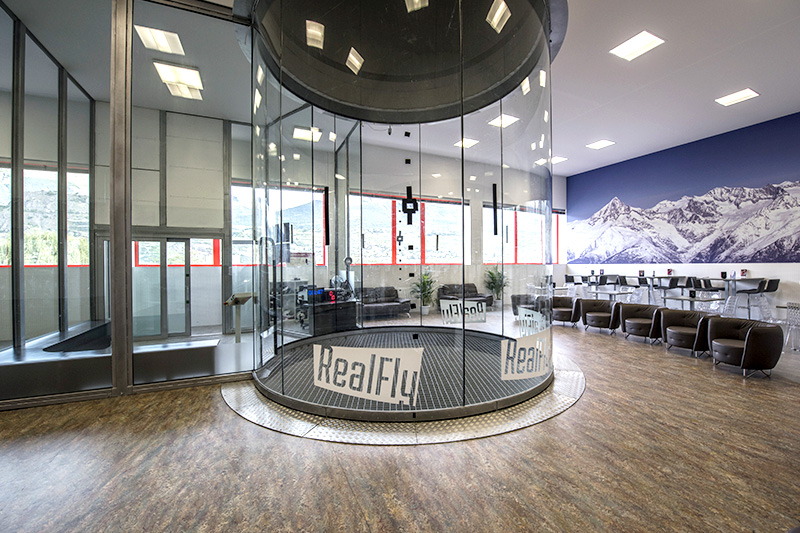
First indoor flight: tips from our coaches
Your first indoor flight at RealFly Sion: briefing, gear, what to expect and tips to nail your 2 minutes of free-fall. Get ready and book your session today!
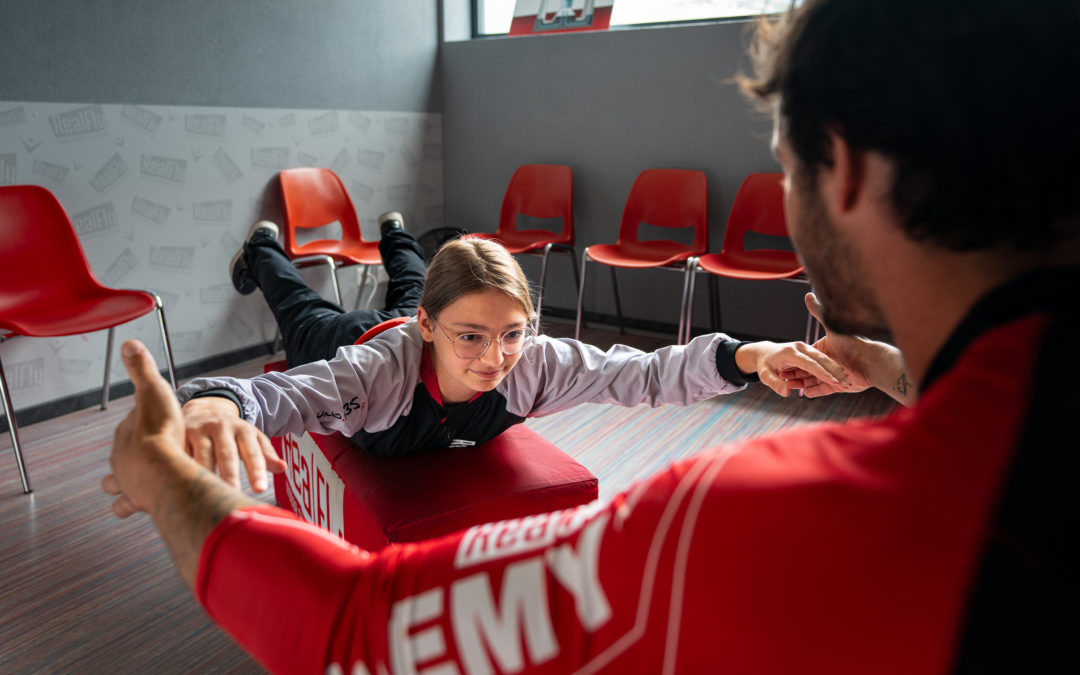
History of indoor skydiving in Switzerland
Indoor skydiving in Switzerland: RealFly, the country's 1st simulator, opened in Sion in 2014. Discover our 14m tunnel and come experience true free-fall today.